
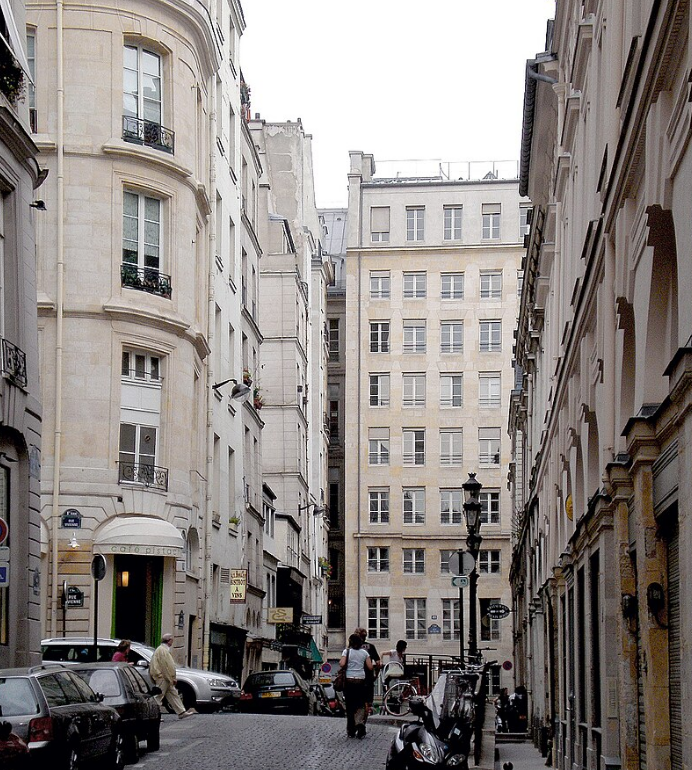
Arrondissement 1
Numbers: 9-11
Opened in 1784 along the northern edge of the Palais-Royal‘s garden, it was named after the Count Beaujolais title of a son of its then owner, the Duke of Chartres (who as Duke of Orleans would become King Louis-Philippe in 1830).
From early in 1941 Suzanne Spaak and her playwright husband Claude Spaak (brother of the socialist Paul-Henri Spaak (Prime Minister of Belgium in 1938-1939 and Belgian’s foreign minister in exile from 1940-1944) used their luxury connecting apartments at No. 9-11 where they lived after having fled the German invasion of Belgium to join an build a resistance network in Paris to try and protect Jewish children.
Their No 9 entrance was shared by the French writer Sidonie-Gabrielle Colette, whose Jewish husband Maurice Goudeket was arrested by the Gestapo in December 1941, but released after seven weeks.
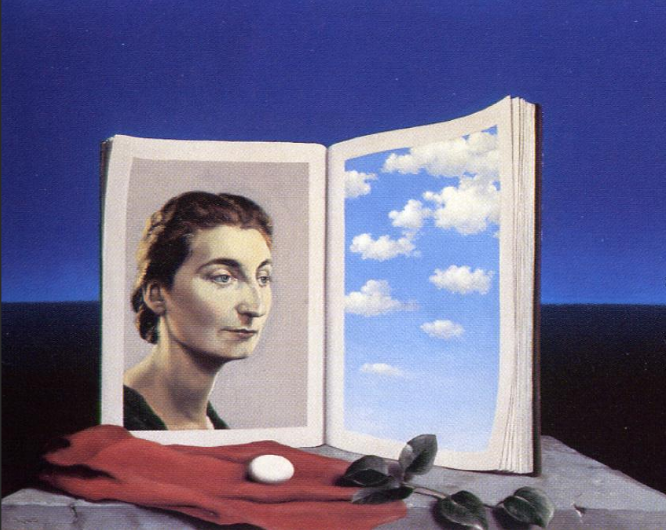
Suzanne Spaak had been painted by Rene Magritte in Brussels in 1936 and using their high social status the Spaaks joined and then led the Mouvement national contre le racisme (MNCR, the “National Movement Against Racism”) whose primary goal was to save as many Jewish children as possible from deportation. Suzanne tried to persuade senior figures in the Catholic Church to condemn discrimination and worked with the Protestant Clairière circle in identifying children at risk. The French Protestant Federation in the Occupied Zone preached spiritual resistance to Nazism, something Suzanne became aware of through a school friend of her daughter’s.
In February 1943 Suzanne was a key organiser in the rescue of 63 Jewish children being held by the largely collaborationist Union générale des israélites de France (General Union of French Israelites set up by the Vichy Government) and about to be deported, hiding several in her own home. In the summer of 1943, while in Brussels she was named in a Gestapo enquiry into a Belgian resistance network, arrested and, returned to the Fresnes prison south of Paris where she was condemned to death in January 1944. Finally she was shot on August 12 1944 among several others whom the Gestapo murdered while leaving the prison just days before its liberation. Buried by them in the prison’s vegetable garden her name was subsequently included in a memorial plaque erected to the resistance at the Fresnes prison.
On April 21 1985 Yad Vashem recognised Suzanne Spaak as ‘Righteous Among the Nations’