
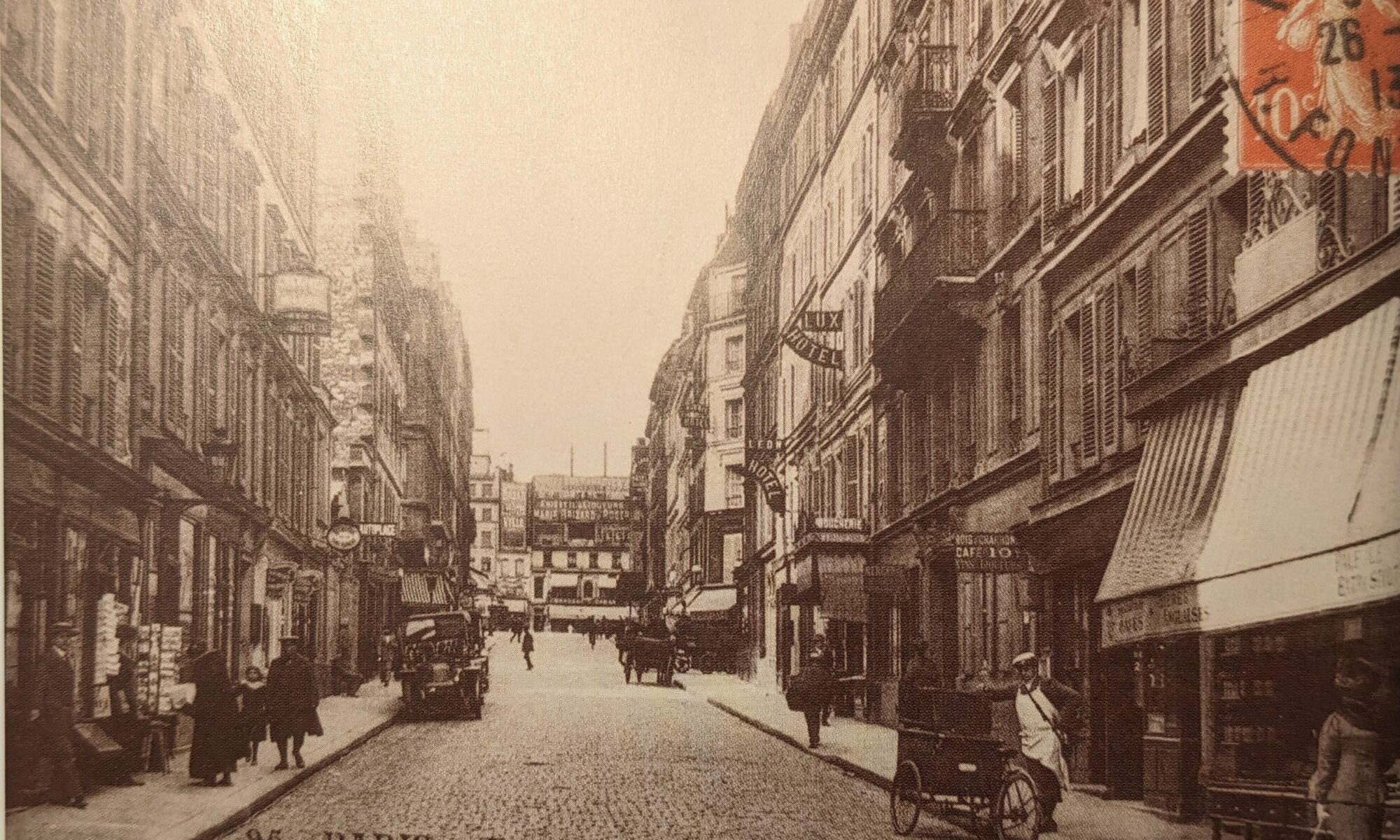
Arrondissement 9
Numbers: 70, 77, 79
Owing its name to the transport of plaster into Paris from the Montmartre quarries it already featured on a map dating from 1672, where it was called the White Cross Road (rue de la Croix-Blanche). It got its present name in 1793.
Some 60 ‘left’ members of the National Assembly met at the Baroness Coppens’ first floor home soon after hearing of the December 2 1851 military seizure of power staged by Louis-Napoleon Bonaparte.
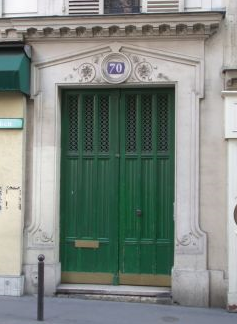
Among the opponents of the coup present at 70, rue Blanche were Victor Hugo, François Arago, Alphonse Baudin (who would shortly be shot on a barricade), Jean-Baptiste Millière, Edgar Quinet and the Baroness, Stéphanie-Marie Arnoult de Joyeuse.
Edgar Degas, who was involved in setting up an anonymous artist cooperative, lived at No 77 between Marc h 1873 and 1876. He left when his family bank in Naples went bankrupt.
The second offices of the Independent Review, La Revue indépendante, were at No. 79. In November 1886. Félix Fénéon, organised ‘Symbolist’ meetings there that included Georges Chevrier, Georges Seurat and Édouard Desjardins.


