
Daniel Stern (Marie d’Agoult)
Daniel Stern, her pseudonym, was a republican visited by Marx in 1844. She lived with Lizst and wrote the History of the 1848 Revolution.

Daniel Stern, her pseudonym, was a republican visited by Marx in 1844. She lived with Lizst and wrote the History of the 1848 Revolution.
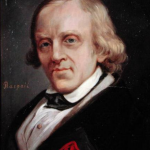
A leading biologist, he was imprisoned under Louis Philippe and stood as a left republican presidential candidate in 1848.
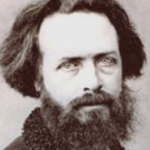
A Communard and anarchist he was the most prominent French 19th century geographer and an early ecologist and environmentalist.
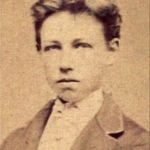
Jailed in Paris for a few days in 1870 he returned briefly during the Commune. His poetry exclaimed his support, and his sadness at its defeat.
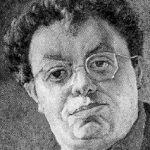
In the 1900s Rivera a major figure in the artistic and literary life of Montparnasse, meeting Trotsky and Lenin during the nearly ten years he lived in the city.
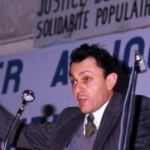
Initiated decolonisation and opposed the Algerian War. He joined the new left United Socialist Party (PSU), and stood in the 1969 presidential election.
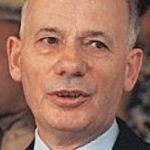
Communist deputy from 1936 and PCF representative in London in 1943, he became its General Secretary from 1964 to 1969.
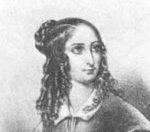
Pauline Roland was a leading feminist in the 1830s and 1840s. She advocated a Union of all workers, men and women.
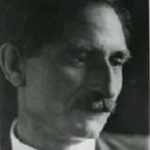
Lived in France from 1884 he became a syndicalist leader opposed to World War 1 and a PCF leader from 1920 to 1924 when he was expelled.
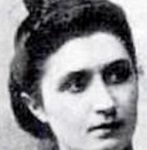
One of many neo-malthusians before the First World War, for birth control and was one of the first to demand the right of women to control their bodies.
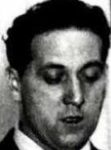
A trade unionists in the resistance he helped reunite the divided CGT. From 1946 to 1968 he was General Secretary of the World Federation of Trade Unions
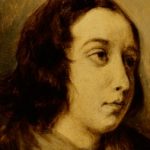
A novelist, feminist and republican, she described herself as a communist in 1848, when she worked briefly with Ledru-Rollin.

Philosopher of existentialism, In 1962 his home was bombed by the OAS protesting his support for Algerian independence.
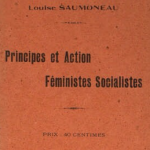
A working class seamstress, Louise Saumoneau moved from being a militant feminist to becoming a leading socialist.
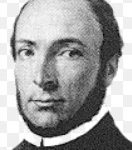
A lifelong opponent of slavery he drafted the bill abolishing slavery after the 1848 February Revolution. He later wrote a biography of Toussaint L’Ouverture.
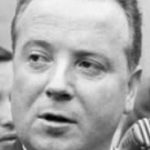
Deported for resistance activities in 1944. He was elected General Secretary of the CGT in 1967 and negotiated the 1968 Grenelle agreement.
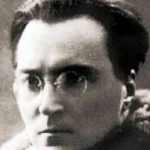
Serge lived in Paris from 1909, and was jailed there for five years for supporting the Bonnot gang, After experiencing Stalin’a jails in 1939 moved from France to Mexico.

In the 1880s Signac broke with bourgeois attitudes, and by 1896 was close to anarchism. He opposed World War 1 and in 1934 opposed the fascists.
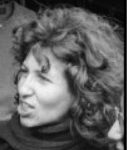
A militant feminist and left political activist, from a Jewish communist family she campaigned for abortion rights in the 1970s and 1980s
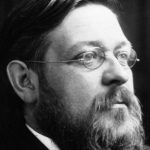
The first director of the International Labour Office in Geneva after having served as a socialist minister organising war production from 1914 to 1918.
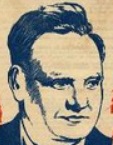
General Secretary of the French Communist Party from 1930 to 1964 he closely followed the twists and turns of the Russian Communist Party.
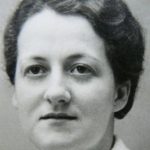
Arrested as a member of a resistance network in 1942 and deported to Ravensbruck in 1943, from where she was transferred to Sweden in April 1945.

Leader of the PCF in 1923-1924 he backed its Bolshevisation and Stalin until spending three years in Moscow. He returned, arguing that Russia was ‘state capitalist’.
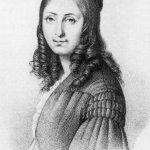
Flora Tristan was an exceptional early feminist and socialist, the first writer to identify the working class as the key agent of social change.
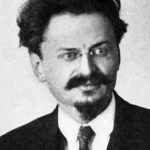
Paris is the city of lovers. Including Leon Trotsky, and Natalya in 1902. It is also where in 1933 Trotksy decided to set up a 4th International.
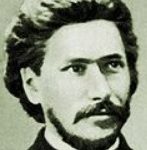
A major figure during the Paris Commune and in the rebuilding of French socialism at the end of the 19th century
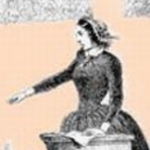
A convert in the 1830s to Saint-Simone, in 1848 she called for the immediate emancipation of women and for socialism.
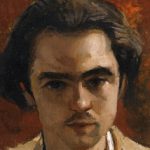
A major French poet, he supported the Paris Commune working for it as a press attache. In 1873 he shot his young lover, Rimbaud.

A doctor whose radical research on prisons in 1820 and work on working class poverty from 1834 led to the 1841 law abolishing child labour under the age of 8.
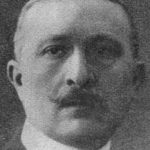
He co-founded L’Humanité with Jean Jaurès in 1905 but left the SFIO in 1906 and led the government of ‘holy union’ into World War 1.
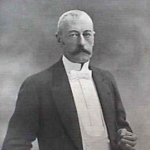
Interior Minister in 1882 he was largely responsible for the 1884 law legalising trade unions in France.
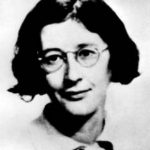
Philosophy teacher, revolutionary pacifist and anti-colonialist she welcomed 1936’s occupations, criticising the timidity of the Popular Front government.
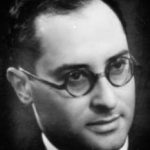
126 schools in France are named after Jean Zay, the 1936-1939 Popular Front Minister of Education and Fine Arts murdered by the Milice in 1944.
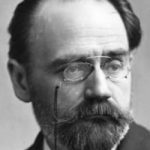
In 1898 Émile Zola, France’s major 19th century novelist, changed French history when he took up the cause of a Jew, Captain Dreyfus, framed for treason