
Mitterrand, Nationalisation, Co-habitation, Far right, Maastricht – in progress


Mitterrand, Nationalisation, Co-habitation, Far right, Maastricht – in progress
East Cemetery
Opened in 1804 this world famous cemetery gets its name from Louis XIV’s Jesuit priest confessor from 1675 to 1709, François d’Aix de La Chaize. This was the period when the Sun King, having decided that anyone who was not a Catholic was the ‘enemy within’, revoked the 1598 Edict of Nantes that had tolerated protestants. While discriminatory measures took off from 1661, persecutions intensified from 1679 leading up to the 1685 revocation in the Edict of Fontainebleau. One per cent of the population, some 200,000 Huguenots were then forced out of France.

In 1780, finally, all cemeteries within the city walls were closed. As Consul Napoleon decreed that cemeteries should be open to all faiths and to the poor as well as the rich. In 1803 the land on the hill was acquired by the Prefect of the Seine department and the design of the cemetery entrusted to Alexandre-Theodore Brongiart.

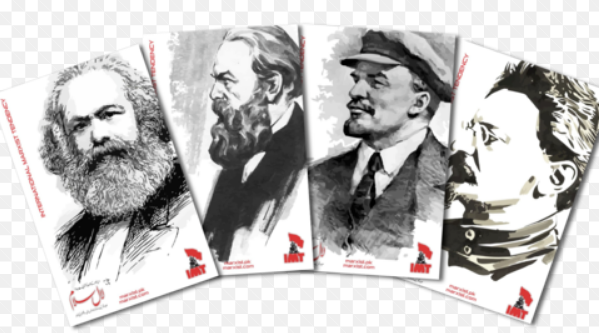

What is shared between those who define themselves or are defined by others as ‘communist’? And how may ‘Communism’ be distinguished both from French anarchism and French socialism, with which it shared much common history and ground?

The 1795 Paris revolutionary ‘Manifesto of Equals’ inspired by François-Noel Babeuf and rescued from oblivion by Philippe Buonarroti (1761-1837) summarised what remained (and remains) common to nearly all those who described themselves as communist across the following two hundred and some years:
‘We need not only that equality of rights written into the Declaration of the Rights of Man and Citizen; we want it in our midst, under the roofs of our houses… We lean towards something more sublime and more just: the common good or the community of property! No more individual property in land: the land belongs to no one. We demand, we want, the common enjoyment of the fruits of the land: the fruits belong to all.
We declare that we can no longer put up with the fact that the great majority work and sweat for the smallest of minorities. Long enough, and for too long, less than a million individuals have disposed of that which belongs to 20 million of their kind, their equals.
Let it at last end, this great scandal that our descendants will never believe existed! Disappear at last, revolting distinctions between rich and poor, great and small, masters and servants, rulers and ruled.’
After agreeing to this general statement of belief, communists had much more to disagree with each other upon.
We have divided the considerable history of Communism in France into five periods:


